
Gray and White Painted Chair
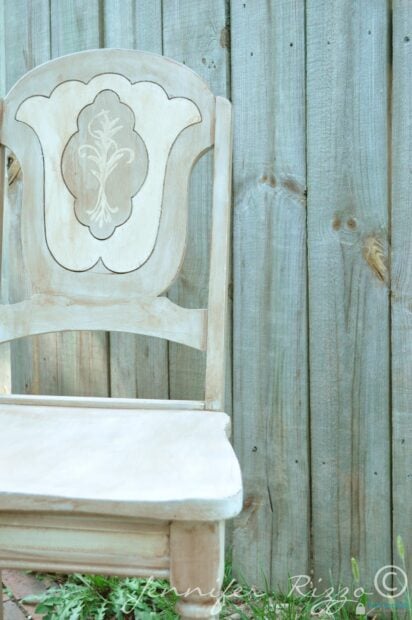
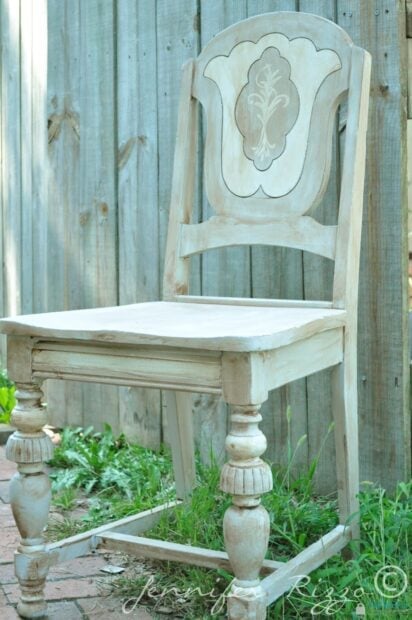
I thought these chairs had such a cute shape, but they really needed a little chalk paint chair pick-me up. It’s amazing how adding a coat of paint to something can completely transform it. When I started blogging all I did was paint furniture and murals. I love painting furniture. The last year with working I haven’t had as much time, but I have really missed it. So, I’ve decided to try to get a few pieces a month into my little booth and one I painted as a gray and white painted chair, then I reversed the other chair and painted that one light blue with dark grey.
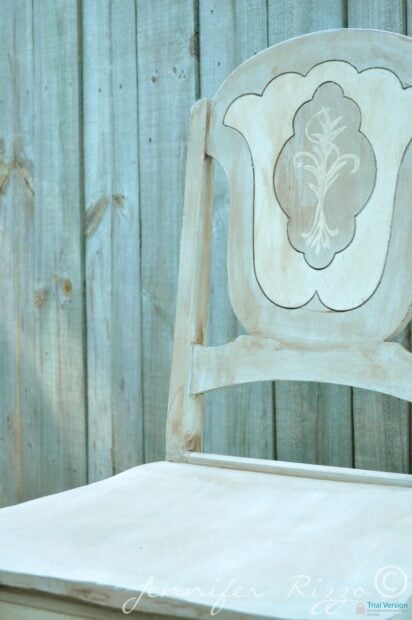
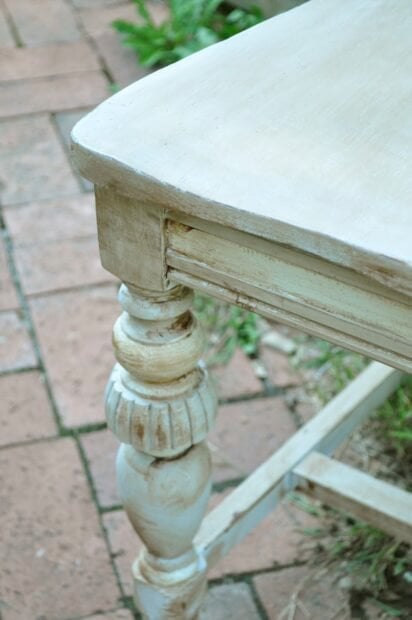
I actually use brown paint to age them like I did to this table; It’s a super easy way to age furniture and easy to do.
I’ve been painting furniture for almost 14 years now and I actually prefer to not use paste wax, especially brown paste wax for many reasons. I know it’s hot right now; but I just think there are more disadvantages to advantages. I know you chalk paint lovers will hate me for that, but it’s just a personal preference. 🙂
I finish most of my pieces with a polyacrylic in matte or a satin finish or occasionally with paste wax.
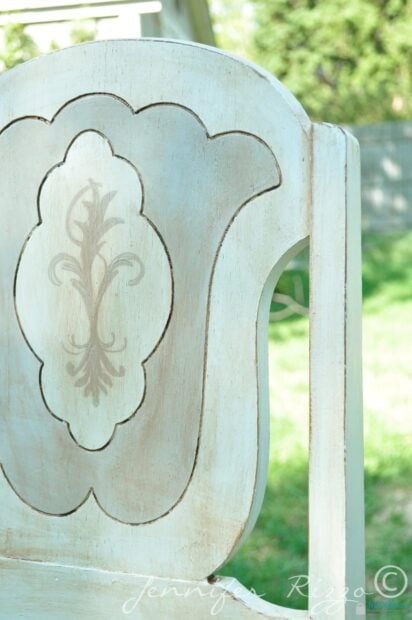
I think these chalk paint chairs look adorable!
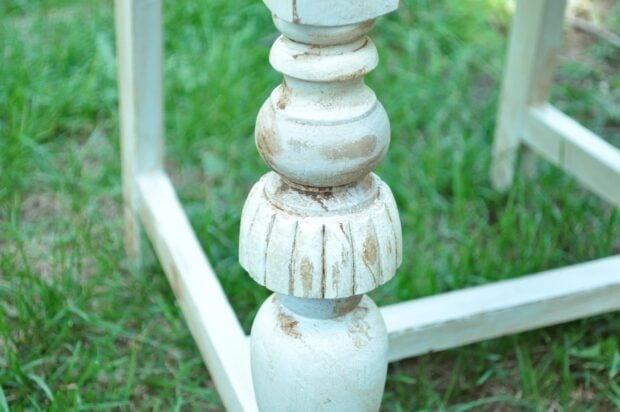
It’s a super-durable finish and holds up well with kids. I love that you can paint over everything with it, with minimal prep. I am kind of a lazy painter that way. 🙂
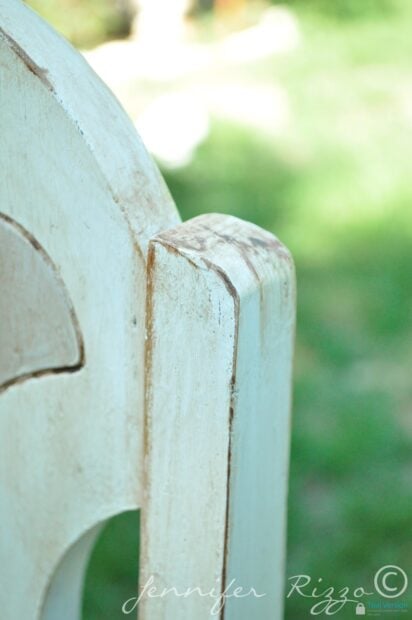
That, and a bit of sanding and acrylic paint just give it that extra bit of patina to take these old chairs from just old to worn and lovely.

If you are reading this post at any other sites or blogs besides Jenniferrizzo.com, your rss feed,e-mail or in your reader this is stolen content.
*This was posted Via Jennifer Rizzo. com
adorable! love the paint- totally highlights those pretty details!
adorable! love the paint- totally highlights those pretty details!
adorable! love the paint- totally highlights those pretty details!
adorable! love the paint- totally highlights those pretty details!
adorable! love the paint- totally highlights those pretty details!
adorable! love the paint- totally highlights those pretty details!
adorable! love the paint- totally highlights those pretty details!
adorable! love the paint- totally highlights those pretty details!
Beautiful, Jen! I love the center design, too. I have a chair with legs just like that. I love how they stand out more painted.
Jen,
I would say those are beautiful chairs now!!! The paint color is pretty and looks great with your aging technique!
xx
Anne
I love these Jen! Love that you kept a center design instead of painting it out. I had to laugh at your chalk paint lovers comment. I’ve tried it and just don’t see what the big deal is but maybe I need to try a different color than white?
Love these! I can’t wait to learn from you in the videos. Let’s talk today or tomorrow. Love you!
LOVE!!!!!
LOVE!!!
Love these chairs!! 🙂 Hope you have a great week! xo Holly
i don’t use wax very often either. i actually have been using a soap mixture like the europeans do.
smiles to you and hope you’ll visit soon.
michele
Jennifer, Do you have detail on this online course? Specific days and time? Are they weekly classes? I’d love to enter but I’m not sure if that works with my current work schedule. Can you provide more info? Please? 🙂
Hi Cheryl, if you go up to my right sidebar you’ll see the link/badge where you can get more info and register. It is an on-line course at your own pace and runs for 5 weeks starting in October; but the site will remain open through Feb.let me know if you have nay other questions! Jen
These chairs came out great. I love how the details are hightlighted by your aging technique. Very sweet.
wow, they look amazing!
Quite a Cinderella moment for these chairs Jen…love them!
I love those chairs!!!!! Gorgeous, really a beautiful job! Now I’m going to ask you Jen (since I can’t wait for class- wink)—- can you use this brown paint aging technique on chalk paint? Or do the two just not mix??????
Jen – Love your finished chairs. Unique details. I paint furniture also and I agree that I’d rather use a polyacrylic finish than wax. Personal preference I guess. To me, it just holds up better. Good job!
Judy
Most of refinisher’s use this polyacrylic. It is much runnier than paint, and can drip all over the place.
Love these chairs, Jen. They look like beautiful cottage antiques. Great look.
Great chairs and I like how you reversed the colors around..
Did you use matte or satin poly on these?
Also, my email is jennifergrib@gmail(dot)com. Thanks!!
You are so helpful!!! Best website…. And I have checked a lot out!! Questions:
1) i am painting my cabinets with a home made chalk paint, made with plaster of Paris.. I know, not everyone’sffavorite…. But now I am wondering how to protect them??
2) I definitely wat to glaze them, but do I still need to poly them?? Or should i use clear wax, then glaze and then poly??AAnd when to sand?? I guess I am confused on the order…. I want cabinets with the dark detail only in the creases, I want to avoid the streaky wax look.
HI Alisa,
1.I am not sure with the homemade chalk paint, I’ve never used that before. I would assume the same way as regular chalk paint. I do know that plaster of paris absorbs stains like crazy,so I would do some test pieces on regular wood and see what finish works best.
2. With the homemade chalk paint, I would really play with it first before you do it on cabinets on test pieces on the ground… Normally it’s paint, glaze and poly/wax. But you might want to paint,poly,glaze ,poly so the glaze doesn’t all get sucked in and it has something to glide a bit on.I would follow the directions on the poly can for the best results. Let me know how it works out.
Thanks! I think you have addressed this before, but just to check what everyone means by “poly” in this conversation: do I use Polyurethane or Polyacrylic?
Looks like you used polyacrylic on these chairs. sorry I didn’t bother to read back before I posted that.
No problem. Yes I did use Polyacrylic.
These are awesome! I am new to this, I just started painting “shabby chic” furniture recently and I love your blog 🙂
I have a question for you that I can not seem to find the answer to. I have painted some furniture and used the Valspars antiquing glaze on it (looks beautiful) but I waited about 2-3 days for the glaze to dry and I started putting on the polycrylic and it started to take the glaze off! What do you suggest I use/do for a sealer?? Thanks so much!